

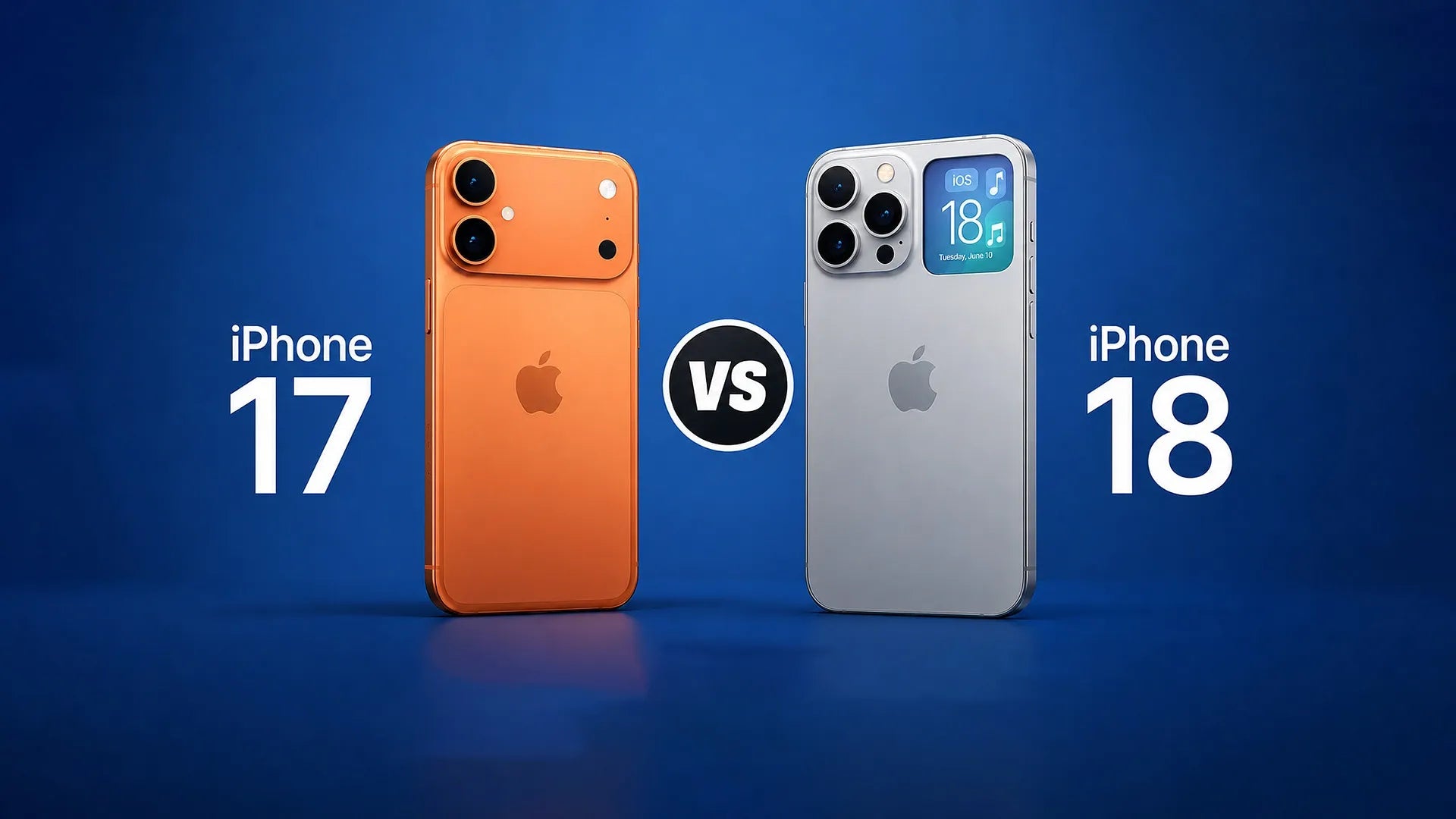
- Quick Snapshot of iPhone 17 Pro vs iPhone 18
- What Actually Changes in iPhone 18
- iPhone 17 Pro in Real Use — Is It Still Enough?
- Performance and Chip Differences: Real Impact or Marketing?
- Camera Comparison: Real Differences You Notice
- Battery, Heat & Daily Reliability Differences
- Who Should Upgrade vs Who Should Wait
- Final Decision: What Makes Sense in 2026
Quick Snapshot of iPhone 17 Pro vs iPhone 18
If you are deciding between upgrading now or waiting, the gap may be smaller than it looks. The iPhone 17 Pro already covers most daily needs, while the iPhone 18 vs iPhone 17 Pro comparison is mostly about expected small refinements rather than major changes.
| Category | iPhone 17 Pro | iPhone 18 (Expected) |
|---|---|---|
| Performance | A19 Pro chip, smooth for everyday apps and gaming | Next-gen A20 (expected), likely small speed and efficiency gain |
| Camera | 48MP system with stable photo and video output | Minor sensor or processing updates (expected) |
| Battery | Full-day use for typical mixed activity | Slight efficiency improvement (expected) |
| Design | Titanium frame with familiar layout | Small adjustments expected, no confirmed redesign |
In daily use, the iPhone 17 Pro vs iPhone 18 differences are unlikely to feel dramatic. Most users will notice similar speed in apps like messaging, browsing, and social media. Camera results will also feel close, especially in good lighting conditions. A typical commute scenario, like taking photos or watching videos, will not change much between the two.
From a practical view, Apple usually improves things step by step each year. That means performance gains and camera tuning happen gradually rather than in one big jump. The iPhone 18 vs iPhone 17 Pro difference will likely follow this pattern, so improvements may be subtle in real-life use.
One limitation is that iPhone 18 specifications are not confirmed yet. Any comparison is based on expected trends, not final hardware details.

What Actually Changes in iPhone 18
Most iPhone updates follow a slow and steady pattern. In everyday use, people usually feel small shifts in speed, camera results, and battery life. That is why iPhone 18 features rumors should be read as expected trends, not fixed changes.
The iPhone 18 upgrades explained usually come from how Apple improves core systems over time:
- Chip efficiency gains — smoother performance with lower power use in daily tasks
- Camera processing updates — clearer photos through better image tuning and software work
- Battery efficiency improvements — longer screen time from optimized power use
- Heat control improvements — more stable performance during longer usage sessions
In real life, these changes are often subtle. Someone using the phone for messages, photos, or navigation may notice slightly better battery consistency or cleaner low-light photos. The overall experience still feels very close between generations.
From an experience point of view, yearly iPhone upgrades usually do not feel dramatic unless you skip multiple models. Most changes happen under the surface, especially in processing and energy use, rather than visible design shifts.
One limitation is that iPhone 18 features rumors are still unconfirmed. Early information can change before release, so what is new in iPhone 18 may differ from final hardware details.
iPhone 17 Pro in Real Use — Is It Still Enough?
The iPhone 17 Pro still feels reliable for everyday use. For most people asking is iPhone 17 Pro still worth buying, the answer depends on how heavy their usage is rather than the specs alone.
In office use, it handles emails, calls, documents, and multitasking without lag in normal conditions. Switching between apps stays smooth through a full workday. During travel, it works well for maps, messaging, photos, and general browsing, with battery usually lasting a full day depending on screen time and network signal.

For media use like video streaming and casual photography, the experience stays steady. Photos look consistent in good light, and video recording works well for daily sharing. Most users will not notice big differences unless comparing directly with newer models.
From an iPhone 17 Pro specs overview view, the device still has enough capacity for current needs:
- Strong performance for daily apps and multitasking
- Stable camera results for most lighting situations
- Battery life that holds through a normal day cycle
- Smooth display for scrolling, video, and gaming
From a practical standpoint, modern flagship phones are built with extra performance headroom. That is why they often stay usable for several years without feeling slow.
One limitation is battery wear over time, which can reduce daily endurance. Another factor is resale timing, since value drops when newer models arrive. Missing future software or camera features may also matter depending on how you use your phone.
Performance and Chip Differences: Real Impact or Marketing?
Most performance changes between generations are not easy to notice in daily use. In iPhone 17 Pro vs iPhone 18 performance comparisons, everyday tasks like messaging, browsing, and switching apps feel almost the same.
For heavier use such as gaming, video editing, and multitasking, the difference usually comes from smoother efficiency rather than a big speed jump. Chips tend to improve in heat control, power use, and how long they can hold performance during extended sessions. This is why iPhone 18 upgrades explained are often focused on internal improvements instead of obvious speed changes.
In real life, it looks like this:
- Gaming may stay slightly cooler during long sessions
- Video exports may finish a bit faster in some apps
- App switching feels nearly identical in normal use
- Battery drain under heavy load may improve slightly
From a practical view, chip upgrades now follow a slower improvement cycle. The iPhone 17 Pro already has enough performance headroom for most apps and future updates, so yearly gains feel smaller.
A key limitation is that benchmark scores can be misleading. They show peak performance, not how the phone behaves during long, real usage sessions like travel, work, or extended gaming.

Camera Comparison: Real Differences You Notice
Most users will not notice every small change between generations. In real use, the iPhone 18 vs iPhone 17 Pro camera comparison shows differences mainly in specific shooting conditions rather than overall image quality.
Low-light travel photos are usually where changes stand out first. Night streets, indoor scenes, and dim restaurants may show small differences in brightness handling and detail. Portrait shots can also look slightly different, especially in mixed lighting where skin tones and background separation are harder to balance. For video, the main change is often smoother exposure adjustment when moving between bright and dark areas.
Most improvements come from computational photography. This means the phone is constantly blending multiple frames, adjusting color, and reducing noise in real time. Even small software updates can change how photos feel without major hardware changes.
In everyday use, the iPhone 18 vs iPhone 17 Pro camera experience usually looks like this:
- Low light: slightly cleaner details in dark areas in some scenes
- Video: more stable exposure when light changes during recording
- Zoom: small improvements in clarity depending on distance and lighting

A key limitation is that the iPhone 18 vs iPhone 17 Pro camera upgrades are still not confirmed. Some rumored changes may never appear in the final device, and results depend heavily on final tuning and software decisions.
Battery, Heat & Daily Reliability Differences
Battery and heat performance are most noticeable during normal daily routines. In iPhone 18 vs iPhone 17 Pro battery life comparisons, differences usually show up in heavier use rather than light tasks.
On a regular commute, both phones handle maps, music, messages, and photos with similar results. During travel days with constant navigation, camera use, and streaming, battery drain becomes more visible. Signal strength and screen brightness often matter more than the model itself. Heat can also build up during long video recording or gaming sessions, but both devices stay stable under normal conditions.
From a practical view, most improvements come from better efficiency instead of bigger hardware changes. Chips use less power during background activity, and thermal systems help keep performance steady when the phone is under load. This is why the iPhone upgrade decision iPhone 17 Pro vs iPhone 18 often comes down to usage style rather than specs alone.
In real use, it feels like this:
- Battery life: small difference in mixed daily use patterns
- Heat control: slightly steadier performance during long sessions
- Reliability: very similar experience for normal apps and tasks
A key limitation is that battery performance is not consistent across users. Screen time, app usage, battery health, and network conditions all change real results.

Who Should Upgrade vs Who Should Wait
The decision of should I wait for iPhone 18 or buy 17 Pro usually depends on how the phone is used day to day. The iPhone upgrade decision is less about specs and more about personal needs and timing.
- Upgrade now (iPhone 17 Pro) Business users who depend on calls, email, and multitasking may find it useful to upgrade now. Content creators who rely on steady camera performance for posts, short videos, or client work may also prefer a stable setup. Frequent travelers who use maps, photos, and streaming during long days may value a device that already works reliably.
- Wait for iPhone 18 Casual users with a recent working phone can usually wait without losing much. If your current device still runs apps smoothly and holds battery well, delaying the iPhone upgrade decision is reasonable. This also fits users who upgrade every few years instead of every cycle.
- Hybrid approach Users with a slightly older phone but no major issues can wait for official details. This helps avoid decisions based on early iPhone 18 expectations and unclear information.
A key limitation is that there is no single answer that fits everyone. The right choice depends on battery health, daily workload, and how heavily the device is used.

Final Decision: What Makes Sense in 2026
Most users reach this decision based on how their phone feels in daily life. The iPhone 18 vs iPhone 17 Pro choice is usually about timing, not major feature gaps. Some people feel clear signs that it is time to upgrade, while others still get smooth everyday performance from their current device.
From a real usage perspective, smartphone upgrades have slowed down in noticeable changes. That is why the “should I wait for iPhone 18” question often depends more on device condition than on expected features. If your phone still handles work, travel, and media without stress, waiting is often the simpler choice.
- Upgrade now: If battery life is weaker, apps feel slower, or daily tasks interrupt your workflow
- Wait for iPhone 18: If messaging, photos, and browsing still feel smooth and reliable
- Think about timing: If you are close to a contract renewal or planning a natural upgrade cycle
A key limitation is that there is no single answer that fits every user. The right choice depends on how you use your phone, how old it is, and how much it affects your daily routine.
SNAP ON. PROTECT MORE.
Aramid magnetic case for 360° protection.
Share:
Slim vs Rugged Phone Case: Which Should You Choose?
Why Do Clear Phone Cases Turn Yellow? Causes, Science & Prevention Guide