

- What Is an Aramid Fiber Phone Case?
- What Is a Carbon Fiber Phone Case?
- Aramid vs Carbon Fiber: Key Material Differences
- Why Daily Use Matters More Than Material Specs
- Do People Confuse Carbon Fiber and Aramid Fiber Cases?
- Which Phone Case Material Should You Choose?
- FAQ: Aramid vs Carbon Fiber Phone Case Questions
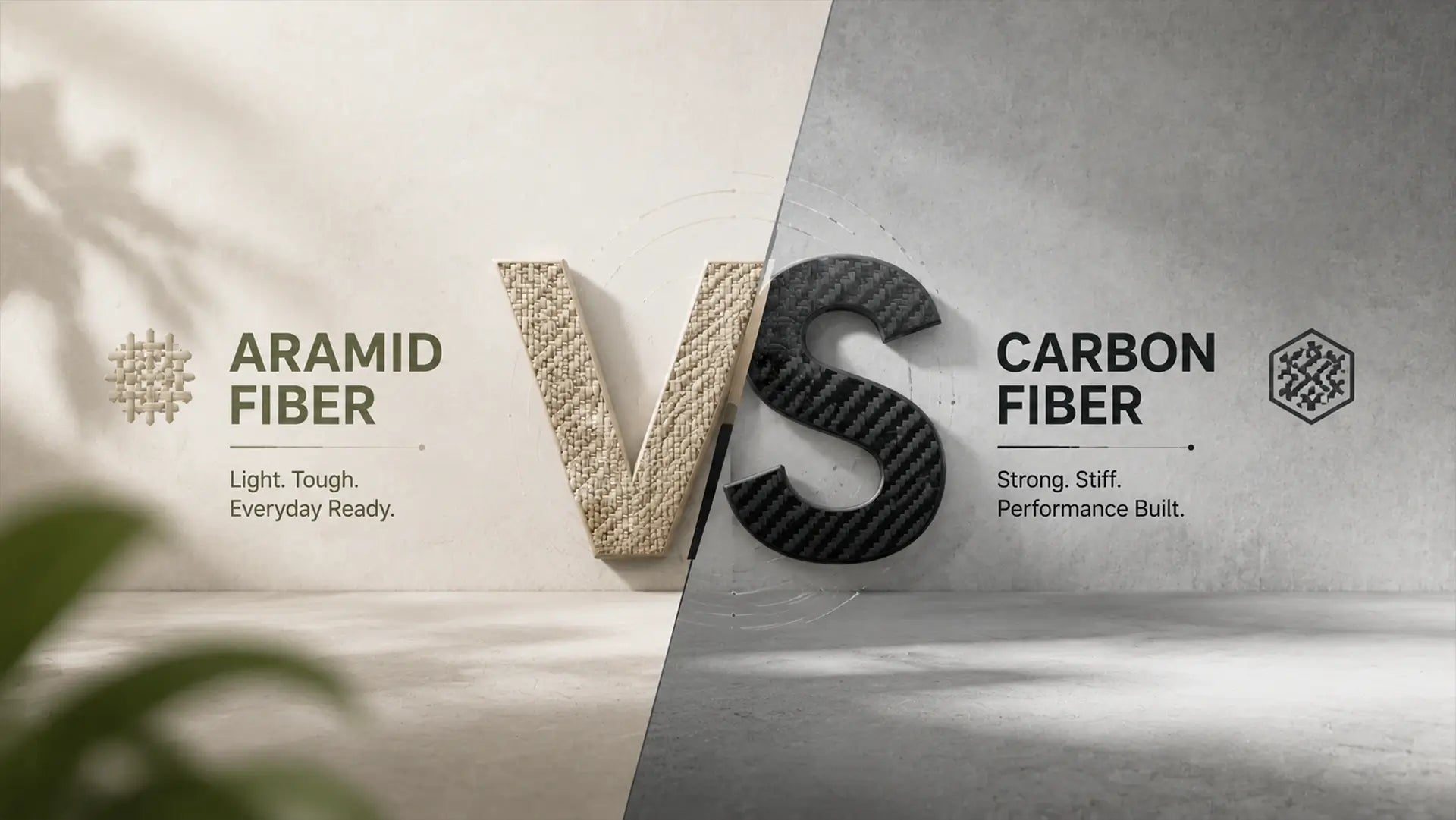
Aramid fiber and carbon fiber phone cases look similar at first glance, but they feel different in daily use. Both use woven fiber materials that keep cases lightweight, yet their structures create different handling experiences.
Aramid fiber focuses more on flexibility and daily comfort, while carbon fiber leans toward a stiffer and more rigid feel.
Aramid fiber usually feels more flexible and comfortable in the hand. Its fibers can absorb everyday movement better, creating a softer feel during normal use. Carbon fiber is generally stiffer, with a firmer texture and a more rigid feel when holding the phone.
| Factor | Aramid Fiber Case | Carbon Fiber Case |
|---|---|---|
| Flexibility | More flexible feel | More rigid structure |
| Texture | Softer woven surface | Sharper, stiffer feel |
| Daily Carry | Comfortable for pockets and long use | Feels more structured in hand |
| Style Preference | Subtle technical look | Strong carbon pattern appearance |

For example, someone carrying a phone through office meetings, commuting, and daily errands may notice the difference when sliding the phone in and out of a pocket. A slightly more flexible case can feel easier to live with over time.
However, the material alone does not decide how protective a phone case is. Case structure, edge coverage, and overall design also affect the final experience. The choice between aramid and carbon fiber depends on whether you prefer flexibility or stiffness in your everyday routine.
What Is an Aramid Fiber Phone Case?
An aramid fiber phone case uses a woven material made from strong synthetic fibers. These fibers are arranged into a tight pattern, creating a surface that feels different from common plastic cases.
Aramid fiber is popular in phone cases because it combines a lightweight structure with a distinct texture. The woven pattern creates a cleaner feel in the hand compared with standard plastic materials. It also gives the case a slightly more rigid character while keeping the overall profile thin.
Aramid fiber feels different because its woven structure changes the balance between lightweight handling, texture, and rigidity.
During a normal workday, these differences become easier to notice. A phone carried between meetings, placed on a desk, or taken in and out of a pocket can feel more comfortable with a lightweight woven case. The surface texture can also change how the phone feels when holding it for longer periods.

However, aramid fiber alone does not automatically create maximum protection. The final protection level depends on the complete case construction, including edge coverage, corners, and internal structure. A well-made case still needs the right balance between material choice and everyday usability.
For many users, the appeal of an aramid fiber phone case comes from the combination of lightweight handling, unique texture, and a different feel compared with traditional materials.
What Is a Carbon Fiber Phone Case?
A carbon fiber phone case uses carbon fiber material, which is made from thin carbon strands woven into a structured pattern. This creates a lightweight material with a firm and rigid feel compared with many traditional plastics.
Carbon fiber is often used in phone cases because of its stiffness and structural properties. The woven surface gives the case a distinct appearance, which can look similar to aramid fiber at first glance. However, the two materials behave differently when handled. Carbon fiber usually feels harder and less flexible because its structure focuses more on rigidity.
Carbon fiber and aramid fiber may look similar, but their structures create different everyday handling experiences.
In daily use, this difference can be noticeable. A carbon fiber case may feel more solid when holding a phone during a commute, working at a desk, or carrying it inside a pocket. Some users prefer this firm feeling because it creates a more structured grip.

However, stiffness does not automatically mean better protection. A phone case still depends on its overall construction, including corner coverage, frame design, and impact management. Carbon fiber is only one part of the protection system.
When comparing aramid vs carbon fiber phone cases, the choice comes down to personal preference. Some users prefer the firmer feel of carbon fiber, while others prefer the flexibility and texture of woven aramid.
Aramid vs Carbon Fiber: Key Material Differences
When comparing an aramid vs carbon fiber phone case, the main differences come from how each material handles stiffness, flexibility, and everyday use.
| Factor | Aramid Fiber | Carbon Fiber |
|---|---|---|
| Stiffness | More flexible feel | More rigid structure |
| Weight | Lightweight woven material | Lightweight but firmer feel |
| Impact Behavior | Better flexibility during daily movement | More focused on structural stiffness |
| Texture | Softer woven surface | Harder, more defined pattern |
| Daily Handling | Comfortable for long use | Solid feel in the hand |

Aramid fiber uses a woven structure that allows more flexibility. This can make the case feel easier to handle when carrying a phone in a pocket or using it throughout a workday. Carbon fiber has a stiffer structure, which creates a firmer feeling when gripping the device.
The difference is noticeable in daily routines. Someone who spends hours holding a phone at a desk may prefer the softer feel of aramid. Someone who likes a more rigid case may prefer carbon fiber’s structured handling.
However, material choice alone does not decide protection. Case design, edge coverage, and internal construction play important roles in real-world performance. Both materials have different strengths, and the better option depends on personal preference and how the phone is used.
Why Daily Use Matters More Than Material Specs
Material specifications can explain differences between aramid and carbon fiber, but daily habits often matter more. A phone case is something you touch, carry, and use many times every day.
Daily comfort often depends on how a case feels in your hand, pocket, and routine rather than material specifications alone.
| User Type | Main Priority | Important Factor |
|---|---|---|
| Office Users | Comfortable handling | Lightweight feel and easy grip |
| Travelers | Everyday convenience | Weight, texture, and pocket carry |
| Minimalist Users | Low bulk | Slim profile and natural feel |
Texture affects how secure the phone feels in your hand. A smoother surface may feel cleaner, while a woven texture can create a different grip experience. Stiffness also changes the way a case feels when holding the phone for long periods.

For example, someone moving between office meetings, coffee shops, and commuting may notice weight and grip more than material names. A lighter case can feel easier during repeated pocket use. A firmer case may feel more structured when placed on a desk or used while traveling.
However, no material solves every need. Aramid fiber and carbon fiber each have different characteristics, but case construction remains important. Edge coverage, frame design, and overall structure influence real-world protection. The right choice depends on how you use your phone and which daily details matter most.
Do People Confuse Carbon Fiber and Aramid Fiber Cases?
Many people confuse carbon fiber and aramid fiber phone cases because they often share a similar black woven appearance. When browsing phone cases online, product photos can make different materials look almost identical.
A woven black pattern can look similar across different cases, but appearance alone does not confirm the material.
Both materials can use visible fiber patterns, creating a technical style that attracts attention. However, the pattern alone does not confirm the actual material. A black woven case may use carbon fiber, aramid fiber, or other materials with a similar surface appearance.
The main difference comes from the fiber composition and structure. Carbon fiber is known for its rigid feel, while aramid fiber generally has a more flexible woven character. These differences affect how each material feels during daily handling.

When comparing options before buying, checking the product specifications is more reliable than judging from photos alone. Material names, construction details, and manufacturer information can help avoid confusion.
| Check Before Buying | Why It Matters |
|---|---|
| Material description | Confirms the actual fiber type |
| Product specifications | Explains construction details |
| Real product images | Shows texture and finish |
A similar pattern does not always mean the same material. Understanding the difference between aramid fiber vs carbon fiber helps buyers make clearer choices.
Which Phone Case Material Should You Choose?
The right choice between aramid vs carbon fiber phone cases depends on how you use your phone every day. Neither material is the best option for every user. The better fit comes from your routine, comfort needs, and protection expectations.
The right phone case material depends on your daily routine, not a single material being better for everyone.
Choose aramid fiber if:
- You want a lightweight phone case for daily carrying.
- You prefer a softer woven texture and comfortable grip.
- You spend long hours using your phone at work or at a desk.
- You value a slim protective phone case feel without extra bulk.
Choose carbon fiber if:
- You prefer a firmer and more rigid case feel.
- You like the appearance of a structured woven pattern.
- You want a case that feels solid during commuting or travel.
- You prefer stiffness over flexibility in daily handling.

For many office workers and minimalist users, aramid fiber can feel easier to live with because of its lightweight character. Travelers or users who prefer a firmer grip may appreciate carbon fiber’s different feel.
However, material choice has limits. Aramid fiber cases may not replace rugged cases for users who need maximum coverage. Carbon fiber can feel less flexible for people who prefer a softer handling experience. Case structure, edge protection, and design still affect real-world results.
The best aramid fiber phone case or carbon fiber option depends on your personal habits, not material names alone.
FAQ: Aramid vs Carbon Fiber Phone Case Questions
Still unsure which material fits your lifestyle? Below, we address the most frequently asked questions regarding signal compatibility, durability, and the practical differences between aramid and carbon fiber.
Is aramid fiber stronger than carbon fiber for phone cases?
Aramid fiber and carbon fiber have different strengths. Carbon fiber is generally stiffer, while aramid fiber has more flexibility. Real protection also depends on case structure, edge coverage, and impact design.
Are aramid fiber cases worth the price?
Aramid fiber cases can be worth considering for users who value lightweight handling and a unique woven texture. However, the value depends on personal preference because material choice alone does not determine the complete case experience.
Is carbon fiber good for phone cases?
Carbon fiber can be a good choice for users who prefer a firmer and more rigid feel. Its stiffness may feel different during daily use, but overall protection still depends on the complete case construction.
Does carbon fiber affect phone signals?
Most carbon fiber cases are designed around wireless compatibility needs. However, signal performance can depend on the case structure, device model, and other materials used around the phone.
Which is better for daily use, aramid or carbon fiber?
Aramid fiber may suit users who prefer lightweight comfort during office work, commuting, and pocket carry. Carbon fiber may fit users who prefer a more structured grip. The better choice depends on daily habits.
What is the difference between 600D and 1500D aramid fiber?
The difference comes from fiber thickness and weave appearance. 600D usually has a finer texture, while 1500D often shows a more visible weave pattern. Both depend on the final case construction.
SNAP ON. PROTECT MORE.
Aramid magnetic case for 360° protection.
Share:
What Is Aramid Fiber? How This Material Works in Phone Cases
600D vs 1500D Aramid Fiber: Which Phone Case Weave Should You Choose?