

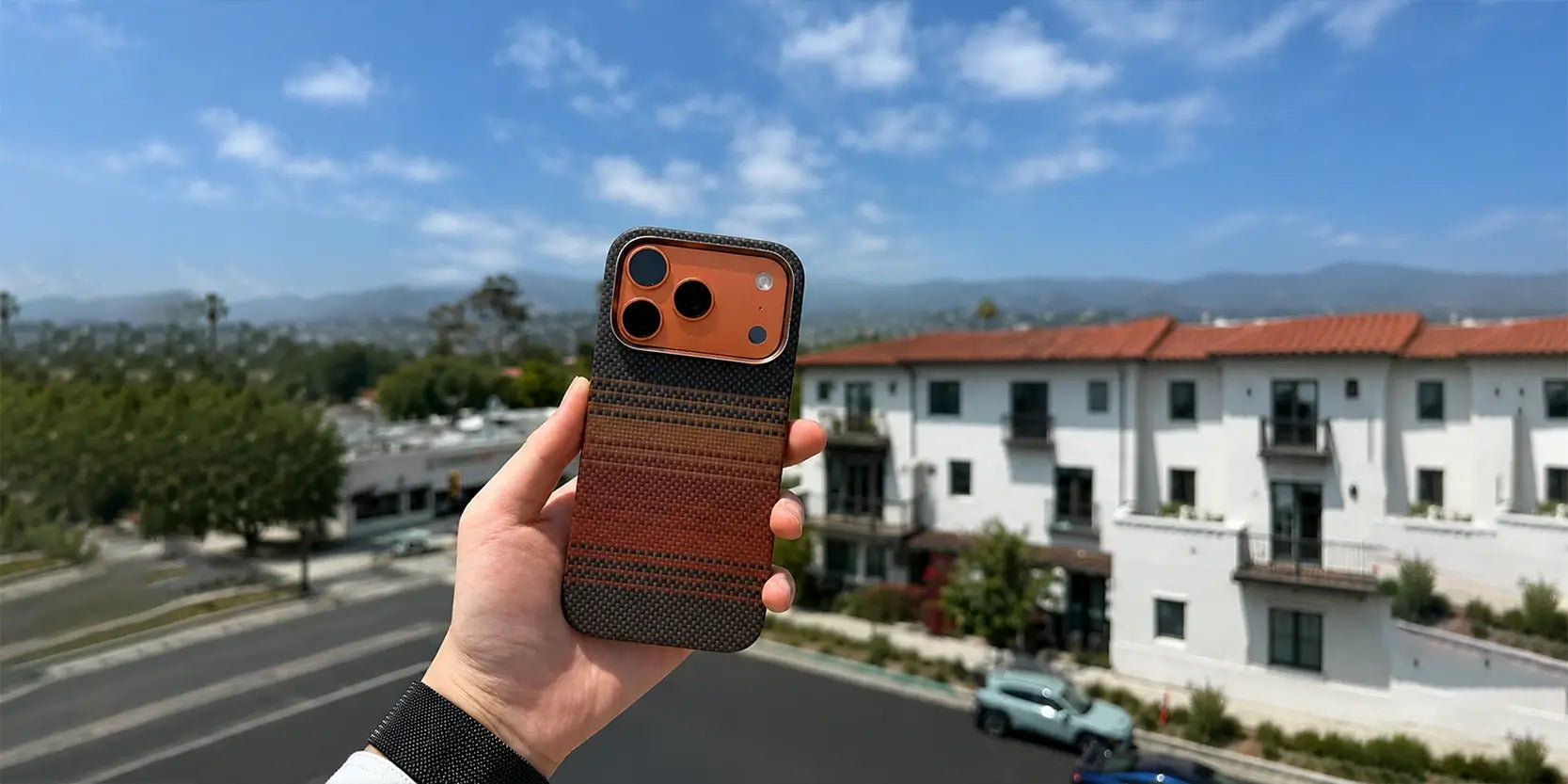
What a Phone Case Does
A best phone case mainly acts as a daily buffer between your phone and real surfaces. A protective phone case reduces damage from desk contact, pocket friction, and commuting use.
It mainly protects against scratches, small drops, and edge impacts. It works by spreading impact across edges and raising the screen and camera. However, no phone case can fully eliminate damage risk in all situations.
💡 Did you know
The first mobile phone cases were originally designed more for grip and portability than protection, because early phones were smaller and less likely to be dropped from height.
Why Phone Case Protection Matters
Choosing the right phone case matters because daily use includes drops, desk slips, and travel bumps. Phone case protection reduces these risks, while a slim phone case focuses more on portability than impact absorption. A durable phone case offers stronger structure and better shock handling.
There is always a trade-off between style and protection. Slim cases feel lighter, while more protective designs add bulk but improve safety.
Repair costs can be high, especially for screens and cameras. However, a case only reduces risk, not guarantees safety in all drop situations.

Phone Case Types Explained
- Slim phone cases are very thin and keep the original phone feel. Protection is limited to scratches and small bumps due to minimal structure.
- Silicone phone cases feel soft and offer good grip. They reduce slips but can attract dust and lose shape over time.
- TPU phone cases balance flexibility and structure. They handle everyday small impacts better than hard PC cases.
- Aramid fiber phone cases are thin and rigid with strong scratch resistance. Protection relies on structure rather than soft cushioning.
- Rugged phone cases use thick multi-layer designs for higher impact protection. They add bulk and reduce pocket comfort. No type is universally best.
Phone Case Materials (TPU,Aramid)
TPU is a core material in phone case materials because it flexes on impact. A TPU phone case absorbs small shocks by bending and dispersing force, making it feel slightly soft in hand and reliable for daily pocket and desk use.
Silicone in a silicone phone case creates high surface grip. It reduces slipping during handling, but the same texture attracts dust in pockets. Its cushioning comes from softness rather than structure, so performance depends on thickness.
PC hard shells are rigid in structure. In real use, they feel smooth and stable in pockets but absorb less impact, and can crack under strong force because energy has nowhere to disperse.
Aramid fiber in an aramid fiber phone case uses a woven structure. It stays thin and rigid, offering strong scratch resistance and a dry, stable grip in daily carry. Protection relies more on structure than softness. Material choice always depends on usage, and no single option is universally best.

Phone Case Protection Levels
Slim protection focuses on daily scratches and light bumps. Phone case protection here comes mainly from thin structure and raised edges, which help during desk contact or pocket friction. A best phone case in this category prioritizes feel over impact strength, so protection remains limited.
Balanced protection is designed for office and commuting use. It adds moderate thickness and reinforced corners to improve impact absorption during common drops like slipping from a desk or hand. A durable phone case at this level spreads force better through layered structure.
Full protection targets travel or outdoor environments. It uses thicker frames and stronger corner structures to handle higher-impact drops, such as accidental falls on hard ground. However, protection is still probabilistic, not absolute, since no case guarantees full safety in every scenario.
Style vs Protection Trade-Off
Slim phone cases feel better in daily use because they are lighter, thinner, and easier to slide into pockets. However, phone case protection is reduced due to limited material thickness and lower impact absorption capacity.
Rugged phone cases provide stronger phone case protection through thicker structures and reinforced corners. In real use, they handle drops better, but feel heavier in hand and bulkier in pockets, which reduces comfort and usability.
Users typically face a trade-off between comfort and protection. A slim phone case improves daily handling experience, while a rugged phone case prioritizes impact resistance. No design offers a perfect balance between both, as structural choices always create limitations.
Best Phone Case for Your Lifestyle
Office users need a best phone case with clean design and moderate phone case protection. Daily use is mostly desk work and commuting, so protection focuses on scratches and light drops.
Travelers need balanced durability and grip. A durable phone case helps handle luggage movement, transit drops, and frequent handling.
Minimal users prefer thin design and visual consistency. A best phone case here prioritizes slim feel over higher protection.
Heavy-use users face more drops and rough conditions. Stronger phone case protection is more important than slim design.

Durable Phone Case Buying Mistakes
Choosing only based on appearance is a common mistake. Many users focus on color or texture and ignore real phone case protection, which leads to mismatched expectations in daily use.
Ignoring protection level differences is another issue. A slim, balanced, or rugged structure provides very different impact handling, but they often look similar at first glance.
Misunderstanding MagSafe phone case compatibility also happens often. Some cases look MagSafe-ready but lack proper magnetic alignment, which affects accessory stability in real use.
Overestimating a slim phone case is also common. Slim designs improve feel and pocket use, but they offer limited impact absorption, so protection is lower than many users assume.
FAQ
1. Do slim phone cases really protect enough?
A slim phone case gives basic protection for daily use, mainly against scratches and light drops. A best phone case for protection usually offers stronger structure.
2. What phone case material is most durable?
A durable phone case handles impacts better, but no case is fully drop-proof.
3. Is MagSafe case worth it for daily use?
A MagSafe phone case adds convenience for charging and accessories, with no major change to protection.
4. Does case thickness affect protection?
Thickness affects protection. Thicker cases absorb more impact, but safety is never guaranteed in all drops.
Best Phone Case Decision Guide
Choosing the best phone case depends on usage. Office, travel, and heavy-use lifestyles need different levels of phone case protection, while a durable phone case is mainly for higher risk.
It is always a trade-off between style, protection, and comfort. Slim feels lighter, stronger cases protect more, but add bulk.
There is no single best phone case. The right choice depends on how you use your phone daily.
SNAP ON. PROTECT MORE.
Aramid shockproof phone case, built for everyday protection.
Share:
Aramid Fiber iPhone Case Buying Guide
Best Phone Case Materials: TPU vs PC vs Silicone vs Aramid