

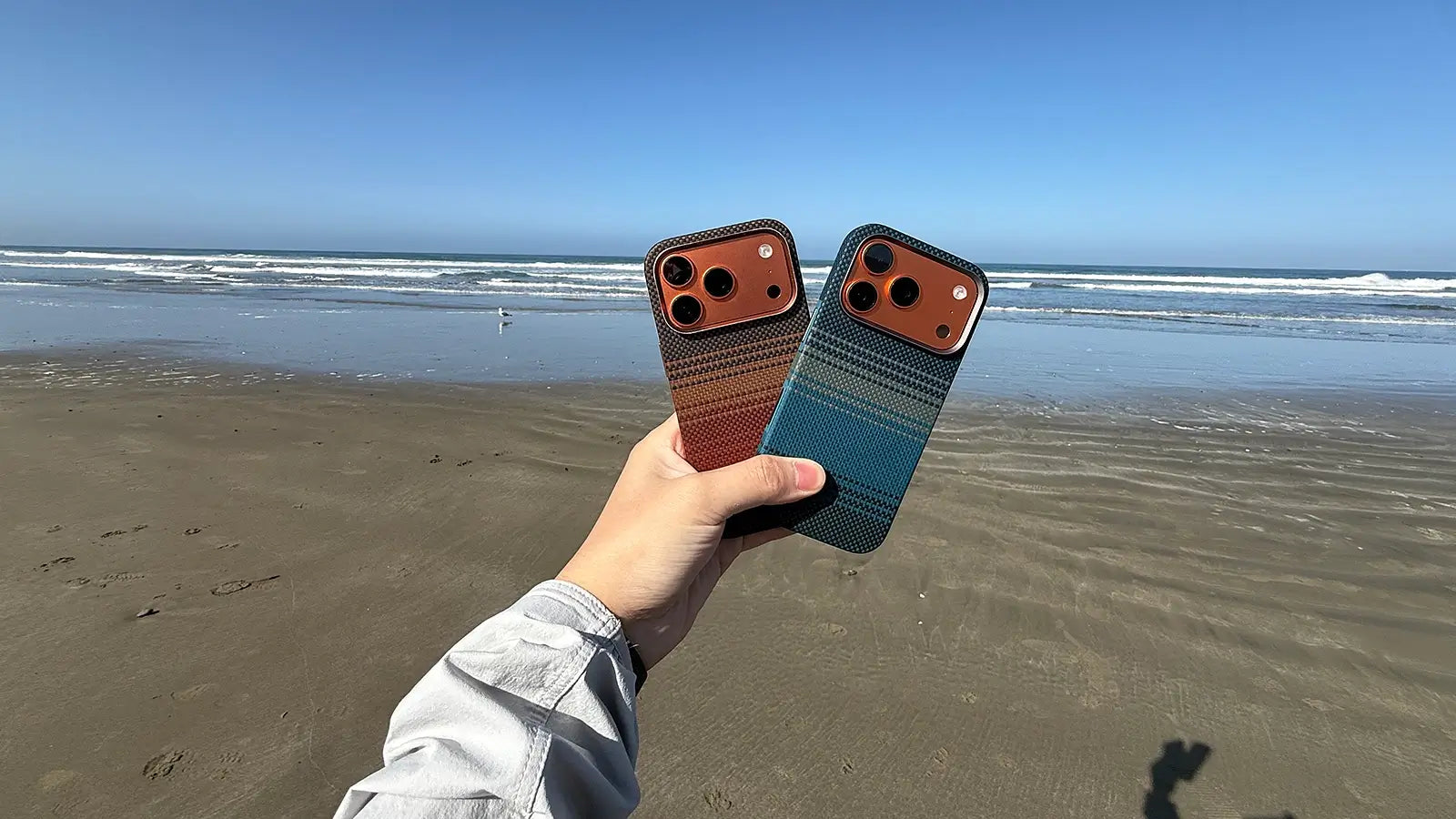
Introduction
An aramid fiber iPhone case is a smart choice if you want a case that feels slim, looks clean, and still adds practical daily protection. It offers a woven texture, a lightweight feel, and a more business-friendly look than many bulky rugged cases.
But not every aramid fiber case protects your iPhone in the same way. In this guide, we’ll explain what aramid fiber is, how protective it can be, what to check before buying, and how to choose the right case based on your daily use, MagSafe accessories, and camera protection needs.
💡 Did you know
Aramid fiber is valued for its strong yet lightweight structure, making it a practical material for slim iPhone cases. For real daily protection, though, the case design matters just as much as the material.
Table of contents
Quick Answer: Is an Aramid Fiber iPhone Case Worth It?
Yes, an aramid fiber iPhone case is worth considering if you want a slim, clean-looking case with a durable feel and practical daily protection. It is a good fit for users who do not like bulky rugged cases but still want more structure than a basic plastic shell or ultra-thin cover.
That said, protection is not only about the aramid fiber material. A well-designed case should also consider side coverage, raised screen edges, camera protection, corner structure, and MagSafe compatibility if you use magnetic chargers, wallets, stands, or power banks. In other words, the best choice is not just “aramid or not” — it is how the whole case is built for your daily use.

What Is an Aramid Fiber iPhone Case?
An aramid fiber iPhone case is a phone case made with woven aramid fiber, a strong synthetic fiber known for its light weight and durable structure. In everyday terms, it gives the case a slim feel while adding more texture and structure than a simple plastic shell.
For iPhone cases, aramid fiber is often used because it can create a clean woven look without making the case feel heavy. It also works well for users who want a more refined, business-friendly style instead of a thick rugged design.
Aramid fiber is not ordinary plastic, and it is not the same as carbon fiber. Carbon fiber has a different material structure and a more rigid technical look, while aramid fiber is commonly chosen for its woven texture, lightweight feel, and practical everyday usability.
Key features of an aramid fiber case:
Woven texture: gives the case a clean, tactile surface.
Lightweight feel: keeps the phone easier to carry and hold.
Durable structure: adds a more solid feel than basic thin plastic cases.
Why Choose Aramid Fiber for an iPhone Case?
Choosing an aramid fiber iPhone case is mainly about balance. It gives you a slim, refined case without making the phone feel too bare or too bulky.
Slim but Solid Feel
Aramid fiber helps create a case that feels light in the hand but still more structured than a basic thin plastic cover. This matters if you want your iPhone to stay easy to carry in a pocket, bag, or work setup without feeling unprotected.
Woven Texture and Grip
The woven aramid surface gives the case a dry, tactile feel. Compared with glossy plastic, this texture can feel more secure in daily use, especially when you are taking your phone out of a pocket, using it one-handed, or placing it on a desk.
Clean, Business-Friendly Look
An aramid fiber case has a simple woven appearance that works well with office wear, travel gear, and everyday carry items. It looks technical without being loud, which makes it a good option for users who prefer a cleaner style.
Practical Daily Protection
Aramid fiber adds structure to the case, but the overall protection depends on the full design. For daily use, look for details like raised edges, side coverage, corner structure, and camera protection.
MagSafe-Compatible Design
If the case includes a built-in magnetic array, it can work with MagSafe-compatible chargers, wallets, stands, and power banks. This is useful if you already use magnetic accessories and want your case to stay part of that setup.

Is an Aramid Fiber iPhone Case Protective Enough?
Yes, but the full case design matters more than the material alone. Aramid fiber gives the case a strong, structured back, while TPU or a protective frame can add better side coverage, corner support, and everyday impact absorption.
For daily protection, look for raised screen edges, raised camera edges, covered sides, and a stable corner structure. An ultra-slim aramid case is better for a lightweight feel, while full protection, enhanced protection, or lens protection cases are better if you want more coverage.
In short, aramid fiber adds strength and texture, and TPU helps make the case more protective in real daily use.
Aramid Fiber vs Carbon Fiber Phone Case
Aramid fiber and carbon fiber are often confused, but they are not the same material. Real carbon fiber can interfere with wireless signals depending on the structure, which makes it less practical for phone cases. Many cases marketed as “carbon fiber phone cases” are actually made with aramid fiber or a carbon-style woven look.
|
Feature |
Aramid Fiber Phone Case |
Carbon Fiber Phone Case |
| Material |
Synthetic aramid fiber |
Carbon-based fiber |
| Feel |
Lightweight, dry, and textured |
More rigid and technical |
| Look |
Clean woven pattern |
Carbon-style woven pattern |
| Phone signal friendliness |
More suitable for phone case use |
May interfere with signal depending on design |
| Daily use |
Slim, practical, and easy to carry | Better known for rigid industrial use |
| Best for |
iPhone users who want a slim case with structure and texture |
Users who mainly want a carbon-style look |
For most iPhone users, an aramid fiber iPhone case is the more practical choice. It gives you the woven style many people associate with carbon fiber, while staying better suited for everyday phone use, MagSafe-compatible designs, and normal wireless performance.
Is Aramid Fiber the Same as Kevlar?
Aramid fiber and Kevlar are closely related, but they are not exactly the same thing. Kevlar is a well-known brand name for a specific type of aramid fiber, while “aramid fiber” is the broader material category.
Many phone cases use woven aramid fiber, but that does not automatically mean they use Kevlar-branded material. Unless a product specifically uses authorized Kevlar material, the more accurate terms are aramid fiber or woven aramid.
What to Check Before Buying an Aramid Fiber iPhone Case
Protection Level
Start by deciding how much protection you actually need. An ultra-slim aramid case is better for users who want a light, pocket-friendly feel, while a protective aramid iPhone case with a TPU frame or stronger edge structure is better for daily bumps, desk drops, and busier routines.
Edge Coverage
Edge coverage affects how well the case protects the sides and front area of your iPhone. Look for covered sides and a raised screen edge if you often place your phone face down or carry it with keys, cards, or other small items in a bag.
Camera Protection
Modern iPhone cameras sit high above the back of the phone, so camera protection matters more than many users expect. An iPhone case with camera protection should include a raised camera edge or a lens protection design to help reduce direct contact when the phone is placed on a table or carried in a pocket.
MagSafe Compatibility
If you use magnetic chargers, wallets, car mounts, stands, or power banks, choose a MagSafe aramid iPhone case with a built-in magnetic array. This helps the case work better with magnetic accessories instead of weakening the connection or making alignment harder.
Grip and Texture
A case should feel secure, not slippery. Woven aramid usually has a dry, textured surface that feels cleaner than glossy plastic and can make the phone easier to hold during one-handed use, commuting, or quick photo-taking.
Fit and Button Response
A good aramid fiber iPhone case should be made for your exact iPhone model. Accurate cutouts, clean camera alignment, responsive buttons, and a stable fit all affect daily comfort, especially if you use your phone often for work, navigation, photos, or charging.

Which Aramid Fiber iPhone Case Should You Choose?
Choose based on how much protection you want and how slim you want your iPhone to feel.
| Choose This |
If You Want |
| Ultra-Slim Aramid Case |
The thinnest feel (iPhone Air) |
| Full Protection Aramid Case |
Balanced daily protection |
| Enhanced Protection Case |
More aramid coverage and structure |
| Ultra Protection Case |
A stronger protective build |
| Full Protection with Lens Protection | Extra camera area protection |
If you use MagSafe accessories, choose a MagSafe-compatible version with built-in magnets. If you often place your phone on desks, tables, or rough surfaces, a lens protection case is the better choice.
Recommended Eclipex Aramid iPhone Cases
If you are not sure where to start, focus on your iPhone model and your daily protection needs. A full protection aramid case is usually the easiest choice for everyday use, while a lens protection version is better if camera coverage matters more.
Below are a few Eclipex aramid iPhone cases to consider, each designed for a different balance of slim feel, woven aramid texture, MagSafe-compatible use, and practical daily protection.
Final Thoughts
An aramid fiber iPhone case is a practical choice if you want a slim feel, woven texture, clean look, and everyday protection without making your phone feel too bulky. It works especially well for users who want a case that looks refined but still feels ready for daily use.
Before choosing one, look beyond the material itself. Check the protection level, edge coverage, MagSafe compatibility, and camera protection to make sure the case matches how you actually use your iPhone.
Explore Eclipex phone cases to compare aramid iPhone cases, full protection designs, and lens protection options for your device.
SNAP ON. PROTECT MORE.
Aramid shockproof phone case, built for everyday protection.
Share:
How to Choose the Best Phone Case for Protection, Style and Daily Use