

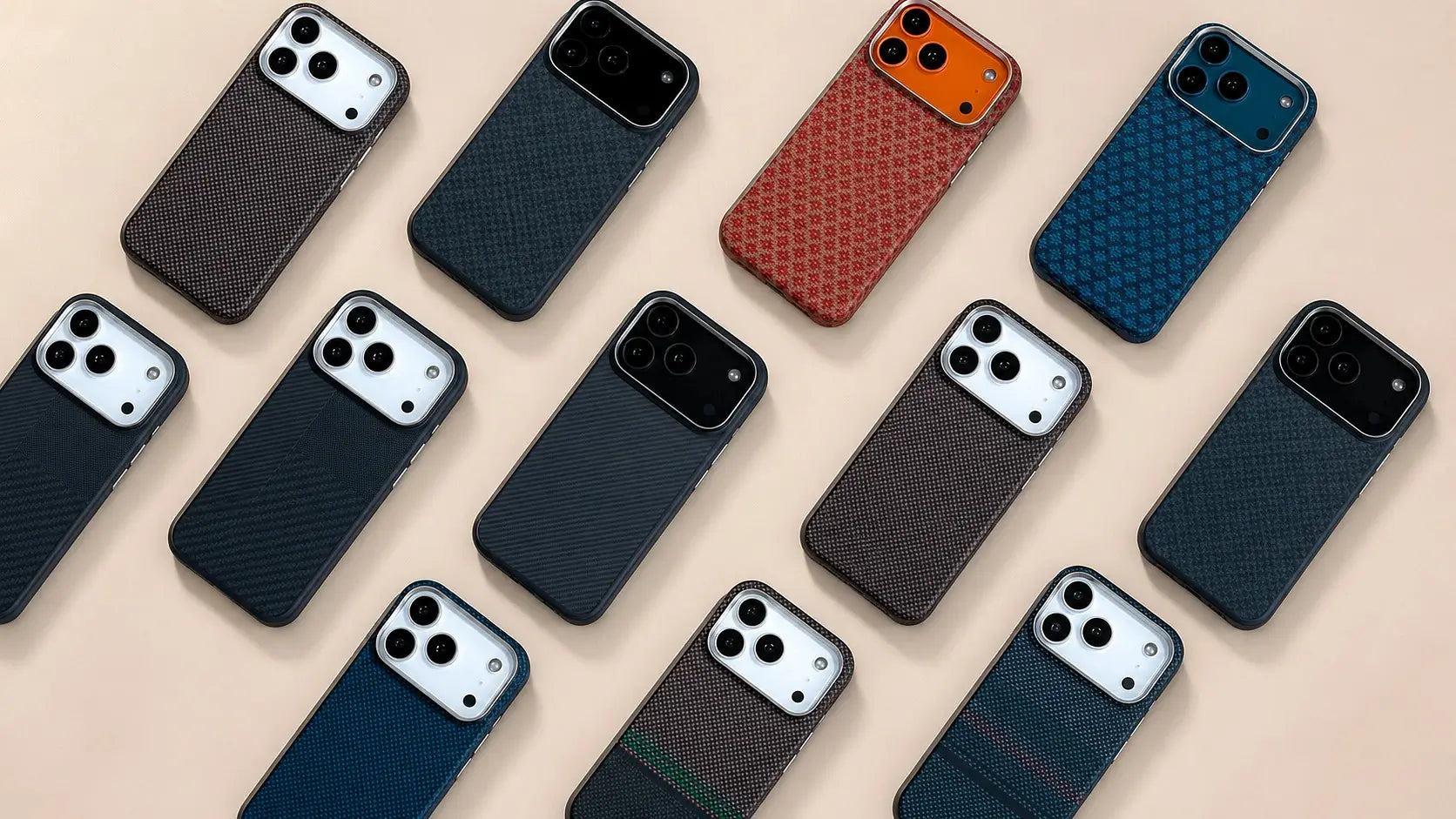
Phone case materials matter because daily use creates constant small impacts that slowly affect both protection and wear.
Different materials change how a case handles impact, grip, and durability. This is why phone case materials explained clearly can help users avoid wrong choices. Some focus on flexibility, others on rigidity or surface grip, but each behaves differently in real conditions.
There is no single answer for best phone case materials. No material performs equally well in every scenario, so the right choice depends on how the phone is used each day.

TPU Cases Flexible Impact Protection
TPU phone cases are made for daily situations where small impacts happen often. A phone can slip from a desk, slide out of a pocket, or get knocked on a hard surface during commuting. These moments are exactly where TPU helps.
The TPU phone case material is flexible. On impact, it bends slightly and spreads force through deformation. This reduces the direct pressure on the phone, especially at the corners where most drops happen.
In TPU vs silicone phone case comparisons, TPU feels more structured and less sticky. It still gives grip, but stays easier to slide in and out of pockets during daily carry.
Over time, TPU can change. Heat, sunlight, and friction may cause yellowing or a slight loss of stiffness. This is normal for the material and part of long-term use behavior.
PC Cases Hard Shell Durability
Polycarbonate (PC) cases are used in daily situations where the phone is often in contact with hard surfaces. This includes desk scratches, tight bags, and light bumps during commuting.
The polycarbonate phone case material is rigid. It spreads impact force across the whole shell instead of concentrating it in one point. This helps reduce surface damage from flat or broad impacts.
However, PC has a clear limitation. Under sharp or focused force, it can crack instead of bending. This makes it less forgiving than flexible materials in certain drop angles.

Silicone Cases Soft Grip Comfort
Silicone phone cases are often used in daily situations where grip is important. This includes holding the phone during calls, walking while using it, or taking it out of a pocket quickly.
The silicone phone case material has strong surface friction. This helps the phone stay steady in hand and reduces slipping during one-handed use. The soft texture also feels comfortable for long use.
However, silicone has a drawback. It easily attracts dust and lint during pocket carry. Over time, the surface can look less clean, especially with fabric pockets.
Aramid Cases Lightweight Strength Build
Aramid Fiber Cases are used in daily situations where users prefer a light and clean setup. This includes office carry, commuting, and minimalist desk setups where bulk is not preferred.
The aramid fiber phone case material uses a woven structure that offers high strength with very low weight. The fibers are tightly interlaced, which helps maintain structural stability while keeping the case thin and light in hand and pocket use.
However, aramid fiber has a limitation. It provides limited shock absorption on its own, especially during hard drops or corner impacts. In many cases, it works better when combined with internal cushioning or edge protection layers.

TPU vs PC vs Silicone vs Aramid
TPU, PC, silicone, and aramid fiber behave differently in real daily use. In drop situations, TPU and silicone handle impact better due to flexibility, while PC relies on rigid structure but may crack under sharp force. Aramid fiber stays thin but offers less shock absorption unless reinforced.
In grip and pocket carry, silicone gives the strongest hold but attracts lint. TPU balances grip and easy pocket sliding. PC feels smooth but less secure in hand. Aramid fiber stays light and clean, making it better for minimal setups.
The trade-off comes from flexibility, rigidity, grip, and durability working against each other. TPU vs silicone phone case choices often come down to grip versus pocket feel, while PC and aramid focus more on structure and weight.
There is no single answer for best phone case materials. Each performs differently depending on how the phone is used day to day.
|
Material |
Protection |
Grip |
Thickness |
Durability |
| TPU |
High |
High | Medium |
Medium |
| PC |
Medium |
Low | Thin |
High (but brittle) |
| Silicone |
Medium |
Very High |
Thick | Medium |
| Aramid |
Medium |
Medium |
Very Thin |
High |
How to Choose Phone Case Material
Choosing the right phone case material depends on daily use. Office users often choose aramid or PC for a clean, slim look. Travelers tend to prefer TPU for balanced protection. Minimalists like aramid for its light feel. Outdoor users usually need TPU or silicone for better grip.
Lifestyle and usage frequency matter. Frequent handling needs better grip. Bag or pocket carry needs scratch and pressure resistance.
There is always a trade-off. Better grip can feel less smooth. Slim designs may reduce protection. This is why there is no single answer to which phone case material is best or the best material for phone case protection, only what fits the user’s routine.

Phone Case Material Limitations
Phone case materials all have limits in daily use. TPU can yellow over time from heat, UV light, and pocket friction. PC may crack under sharp or focused impact due to its rigid structure. Silicone often attracts lint and dust during pocket carry because of its sticky surface. Aramid fiber can show edge wear after long use.
These happen because each material reacts differently to stress and environment. Flexible materials change over time, while rigid ones handle force but can fail at pressure points.
This is part of normal phone case durability comparison. No material stays perfect, and performance depends on real usage conditions.
SNAP ON. PROTECT MORE.
Aramid shockproof phone case, built for everyday protection.
Share:
How to Choose the Best Phone Case for Protection, Style and Daily Use